
NEWS

Olivia Allison Discusses Conflict Financing on RUSI Podcast
Dr Olivia Allison joins Kinga Redlowska and Justyna Gudzowska on RUSI’s Suspicious Transaction Report podcast to discuss how armed groups finance conflict and support hostile state activity. Episode 2, Financing War in the Grey Zone, examines how gold, natural resources, regional financial centres, criminal networks and social media monetisation can sustain war economies and facilitate sabotage and recruitment. The speakers also explore how the Financial Action Task Force, governments, financial intelligence units and banks can improve their responses through conflict-financing typologies, better recognition of regional money laundering hubs and more agile, network-based approaches to sanctions, screening and risk detection.
SOC ACE Researchers Explore Illicit Finance at EISA Conference in Lisbon
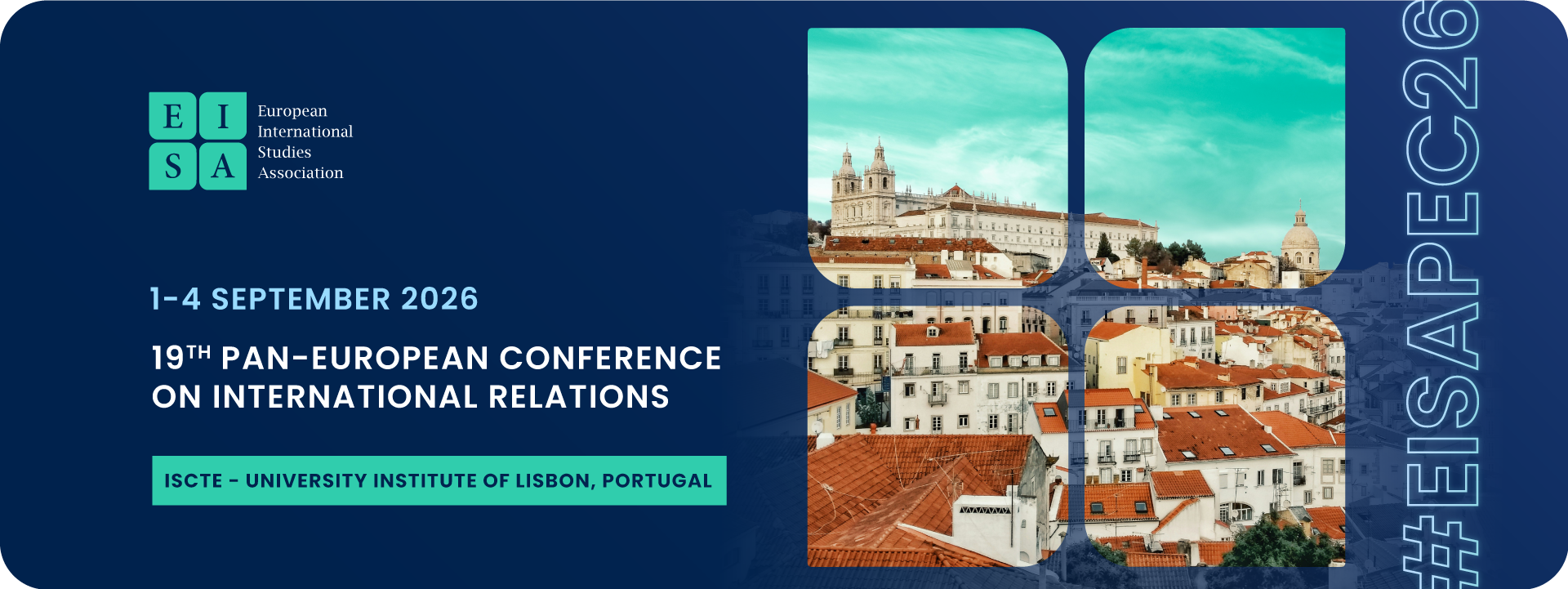
SOC ACE researchers attended the 19th Pan-European Conference on International Relations, held in Lisbon, Portugal, from 1–4 September 2026. Organised by the European International Studies Association, the conference explored knowledge production, authenticity and the impact of generative AI on international relations research. A panel co-chaired by Tena Prelec and Ricardo Soares de Oliveira examined the international politics of illicit finance, including transnational kleptocracy, corrosive capital and the infrastructures enabling money laundering and sanctions evasion. Discussions also considered how research on illicit finance can inform wider debates about power, authority and the changing nature of international order.
Olivia Allinson co-authors RUSI Journal article on illicit financing of hybrid threats
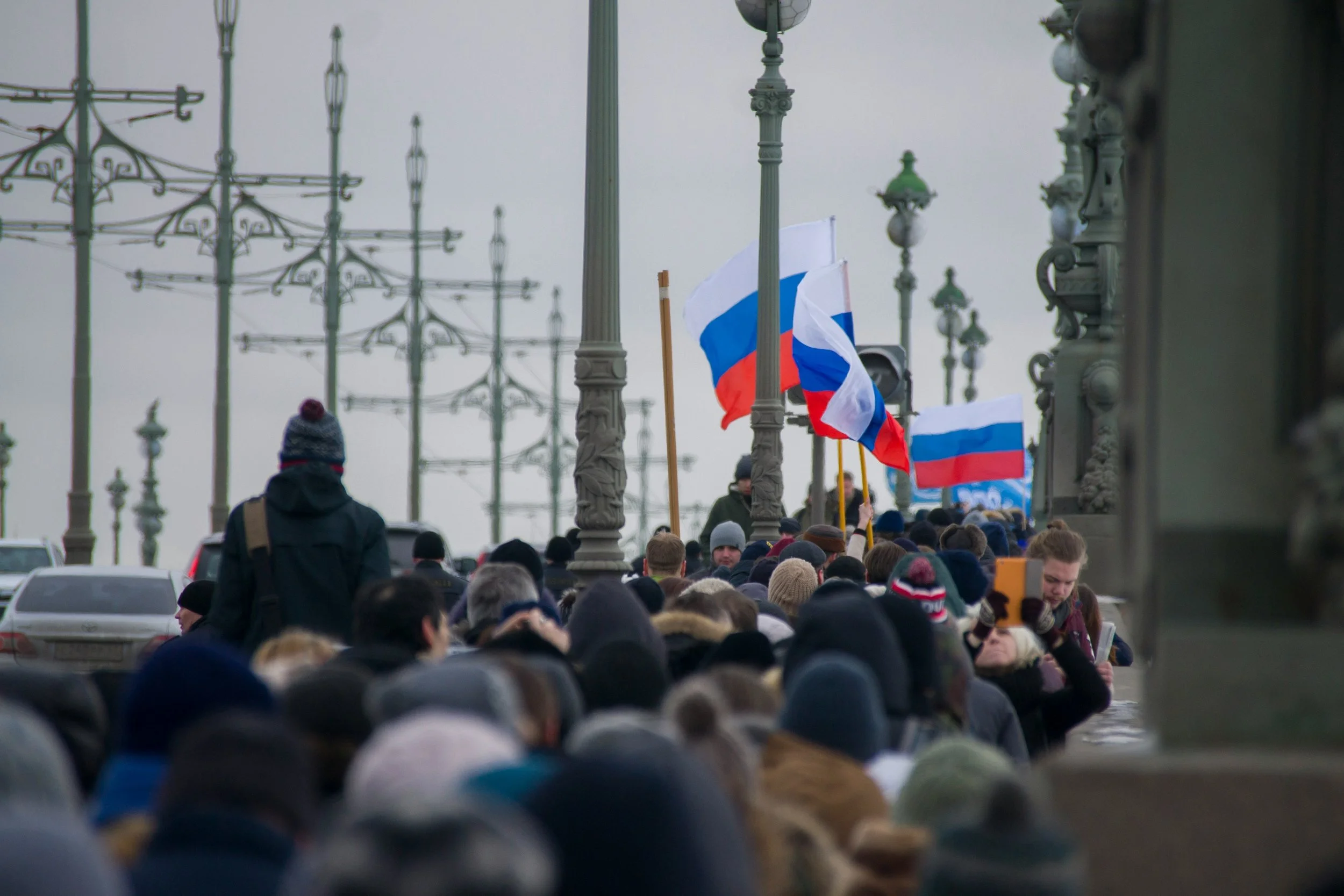
Olivia Allinson and Oksana Ihnatenko examine how Russia and other hostile actors use illicit financial networks to fund hybrid warfare, including physical sabotage, cyberattacks and disinformation. Published in the RUSI Journal, their article explores how existing anti-money laundering frameworks could help identify and disrupt these activities. Drawing on examples from Ukraine and across Europe, the authors propose strengthening international cooperation, expanding Financial Action Task Force (FATF) evaluations to account for state threats and improving oversight of cryptocurrency, cross-border transactions and money mule networks. They call for a more coordinated response to the financial mechanisms underpinning hybrid threats.

When history becomes a tool of state influence
States are increasingly using the past to shape the present. New research by Matthew Redhead (RUSI) examines how historical narratives, archival material and reputations can be manipulated as part of wider information and influence operations. The briefing explores tactics ranging from selective archival releases and forgeries to historical fiction, film and emerging technologies such as generative AI and deepfakes, and considers what this means for information integrity and the resilience of democratic societies.
Rare earth mining exposes the contested politics of Myanmar’s borderlands
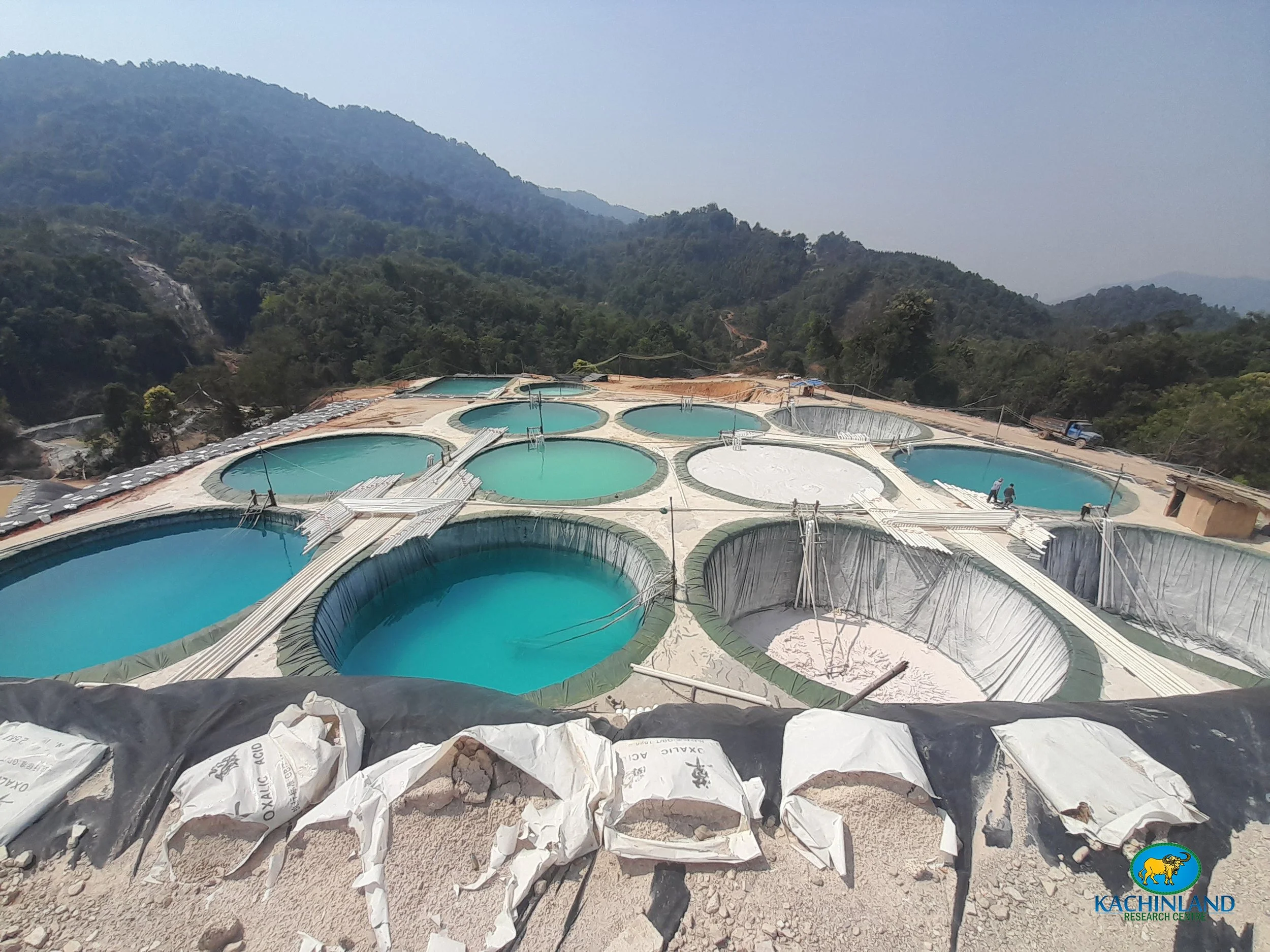
What does the green transition look like at the point where its critical minerals are extracted? New research by Dr Patrick Meehan (University of Manchester), Dan Seng Lawn (KRC), Dr Xu Peng (University of Manchester / SOAS CIVAD) and Professor Jonathan Goodhand (SOAS, University of London) explores this question through rare earth mining in Myanmar’s Kachin State. The research examines how a conflict-affected borderland has become integral to global supply chains, and how extraction is shaped by armed conflict, territorial struggles, livelihoods and local contestation.

SOC ACE September 2026 Newsletter
This month’s bulletin brings together new SOC ACE research on the changing relationship between states and organised crime, the political economies that sustain illicit activity, and the uneven development of conflict-affected borderlands.
We also explore scam compounds in the China–Myanmar borderlands, Russian war-related illicit trade across the Black Sea and the paramilitary–organised crime nexus in war-to-peace transitions. Alongside new publications, SOC ACE researchers are contributing to policy and academic discussions on state threats, sanctions evasion, corruption and hybrid warfare, with upcoming events in Krakow and Manchester.

New research examines how illicit economies shape development
New research explores how illicit economies connect conflict-affected borderlands with metropolitan centres, challenging the assumption that violence, poverty and environmental degradation result from isolation. It explores how flows of capital, commodities and people create unequal connections between margins and metropoles, shaping patterns of wealth, insecurity and development.

SOC ACE researchers to explore the ‘real politics’ of organised crime at ECPR 2026
SOC ACE researchers will join leading experts at ECPR 2026 to examine how political, economic and social pressures are reshaping organised crime and responses to it.
RUSI commentary examines effectiveness of EU sanctions against criminal networks
Drawing on expertise from Tom Keatinge and Kinga Redlowska of the CFS, this commentary examines how sanctions can disrupt serious organised crime by targeting financial facilitators, logistics networks and other strategic enablers. It considers where sanctions can complement law enforcement and how effectiveness should be measured through disruption rather than designation numbers.

Researcher contributes to Hybrid CoE handbook on Russian threats
Eliza Lockhart of RUSI has contributed to a new Hybrid CoE handbook examining how Russia uses non-state actors across hybrid threat operations, including sabotage, disinformation and cyber activity. The handbook provides an overview of Russia’s approach and its implications for responding to hybrid threats.

Academics and policymakers attend workshop on how paramilitaries end
SOC ACE researchers attended a closed workshop hosted by Queen’s University Belfast on 17 June 2026, bringing together academics and policymakers to explore ‘How do paramilitaries end? Lessons from Academia and Practice’. The event forms part of SOC ACE’s wider research into the connections between paramilitaries, organised crime and illicit economies, and the distinct challenges these relationships present during transitions from conflict to peace.

SOC ACE researchers contribute expert perspectives on organised crime and illicit trade
Research by Dr Alexander Kupatadze and Dr Erica Marat into changing patterns of serious crime and organised criminal activity across Eastern Europe and Central Asia has been covered by The New Voice of Ukraine. Their research examines how the war in Ukraine, sanctions, disrupted trade routes and population displacement are reshaping illicit markets and criminal networks across the region. The findings form part of the wider SOC ACE project, Exploring the Consequences of Organised Crime and Illegal Trade Displacement on Eurasia, which investigates how conflict and economic disruption are creating new opportunities and challenges for organised crime.

SOC ACE researchers chair panel on brokers and power at Dublin development conference
SOC ACE researchers chaired a panel on brokerage and power at the Development Studies Association's DSA2026 conference in Dublin, which ran 8-10 July 2026. It explored how brokers shape development outcomes in a fragmenting world, from coercive intermediaries to digital brokers behind scam networks.
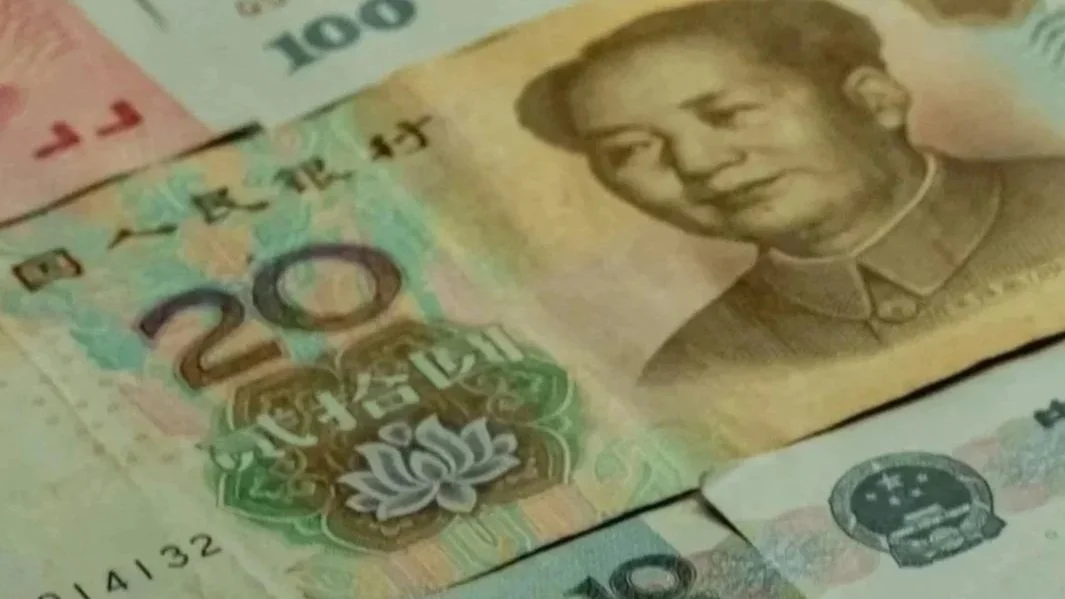
SOC ACE researcher Dr Xu Peng submits evidence to UK Parliament's China and the UK Economy inquiry
Dr Xu Peng, a researcher on the SOC ACE project "The Centrality of the Margins," has submitted written evidence to the UK Parliament's Business and Trade Committee inquiry on China and the UK economy, examining how shell companies, opaque capital and scam-linked assets exploit UK commercial channels, and how enforcement gaps can be addressed.

New research reveals the hidden infrastructure behind Southeast Asia's online scam compounds
New research by Dr Xu Peng (Manchester / SOAS CIVAD) shows that online scam compounds in the China–Myanmar borderlands are more than cybercrime operations. Generating billions annually, they depend on physical infrastructure, cross-border networks and fragmented governance. The study highlights how armed groups, officials and brokers sustain these operations despite periodic crackdowns. It argues that scam compounds are not isolated criminal enterprises but are embedded within wider systems of governance, infrastructure, economic development and regional power.
New research highlights the Black Sea Trade Networks Sustaining Russia’s War in Ukraine and the Risks to European Security
New research by Olivia Allison and Joshua Coyle explores how Russia’s Black Sea illicit trade both supports and originates from its war in Ukraine. They find that not only is this illicit trade in sanctioned and pillaged goods an essential part of Russia’s hybrid war to disrupt Ukrainian, European and UK institutions, but that the companies and peoples benefiting from it often have commercial and financial ties to Europe, resulting in illicitly-gained profits flowing in to Europe and the UK. The research highlights that whilst the connections identified do not violate EU, UK or international sanctions, the entanglement presents a mutual vulnerability. The paper offers insights on actions policymakers can take to restrict these networks’ operations.

SOC ACE Researcher Jessica Davis Featured on CANADALAND Podcast
SOC ACE researcher Jessica Davis joins the CANADALAND podcast episode “Is Iran Behind Attacks in Canada?” to discuss how states can use criminal networks and proxy actors to conduct violence while maintaining plausible deniability. Drawing on findings from her SOC ACE-funded project, Criminal Hands, State Ends: State-Sponsored Assassinations Using Organised Crime, Davis explores the growing nexus between organised crime, state power and national security.

New Research Explores the Potential of Transitional Justice to Address Organised Crime Violence
New research by Huma Haider explores how transitional justice approaches can help address large-scale violence linked to organised crime. The paper argues that victim-centred mechanisms such as truth-seeking, reparations and acknowledgement can complement traditional law-enforcement responses. Drawing on international examples, it offers practical insights for policymakers and practitioners working in peacebuilding, transitional justice, counter-organised crime and law enforcement.
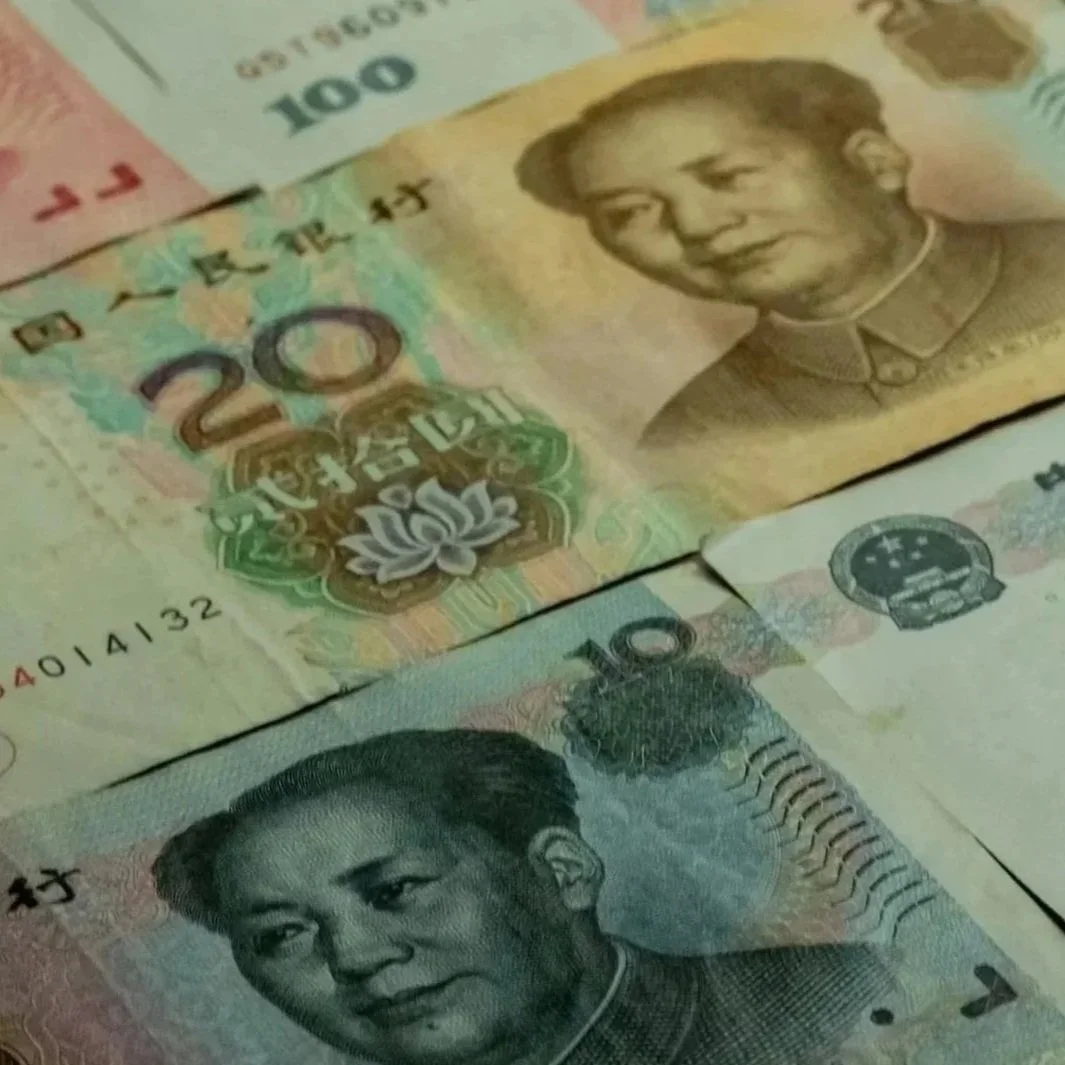
Podcast: Chinese Money Laundering and the ‘Flying Money’ Threat
In Episode 21 of RUSI’s Suspicious Transactions Report podcast, Kathryn Westmore joins host, Tom Keatinge (RUSI) and Teddy Nicholson (NCA) discuss why Chinese Money Laundering services are used by organised crime groups, how money laundering networks are adapting through crypto, fintech-style tools and cross-border criminal services, and how law enforcement agencies and the regulated sector can respond.

New research to support policymakers and practitioners ‘Address the paramilitary-organised crime nexus in war-to-peace transitions’
In this new series of publications, Professor Jonathan Goodhand (SOAS, CIVAD) and Dr Patrick Meehan (University of Manchester, CIVAD) explore policy approaches and responses to paramilitaries and organised crime in war-to-peace transitions. It offers policymakers, practitioners and others working in or on contexts affected by the paramilitary-organised crime nexus with insights and tools to better understand the phenomena and move away from template-based responses towards context-specific, politically informed strategies that recognise paramilitaries as durable political actors, understand their ‘holding power’, prioritise harm reduction, and remain attentive to the distributional consequences of policy choices.
Picture credit: William Murphy